The historical evolution of gambling from ancient games to modern bets
The Origins of Gambling: Ancient Civilizations
The history of gambling dates back to ancient civilizations, where games of chance were integral to cultural practices. Archaeological evidence suggests that ancient Chinese, Egyptian, and Roman societies engaged in various forms of gambling, often using rudimentary dice made from materials like bones. In these societies, gambling was not just a pastime but also a way to make important decisions, such as in warfare or resource allocation. Some modern players prefer to play using payid for their transactions, reflecting a blend of ancient traditions and modern conveniences.

The invention of games such as the Chinese game of Keno and the Roman practice of betting on gladiatorial contests illustrates how gambling evolved in different cultures. These activities often involved wagering on the outcomes of events, reflecting both the human desire for risk and the thrill of chance that has persisted through the ages.
The Middle Ages and Gambling Regulations
As societies advanced, so too did the regulation of gambling activities. During the Middle Ages, gambling became a popular form of entertainment across Europe, leading to the development of formal gambling houses. However, this surge in popularity also prompted authorities to impose regulations, often due to the negative effects of gambling addiction and its associated social issues.
The establishment of laws governing gambling highlighted a growing recognition of the need to balance personal freedom with societal welfare. This era saw the birth of games like poker and the creation of betting systems that laid the groundwork for modern gambling practices.
The Renaissance and the Rise of Casino Culture
The Renaissance marked a turning point in the history of gambling, giving rise to the concept of casinos. The first official casino, the Ridotto, opened its doors in Venice in the early 17th century, providing a space where people could indulge in gambling in a regulated environment. This new approach attracted a diverse range of players, from nobility to common citizens, showcasing gambling as a mainstream activity.
During this period, card games gained immense popularity, leading to the establishment of various gambling strategies and tactics. The expansion of casino culture signaled a transformation in how gambling was perceived—no longer merely a vice, it began to be recognized as a form of entertainment, infused with glamour and social prestige.
The 20th Century: Technological Advances and Globalization
The 20th century introduced significant technological advancements that revolutionized gambling. The introduction of slot machines and later, online gambling, transformed the landscape of betting. These innovations made gambling more accessible and appealing to a broader audience, leading to the establishment of large-scale casinos in places like Las Vegas and Monte Carlo.
Globalization also played a crucial role, as gambling laws and practices began to vary widely across countries. While some nations embraced gambling as a source of revenue, others maintained strict prohibitions. This dichotomy led to the rise of online gambling platforms, allowing players from different regions to engage in betting activities, breaking down geographical barriers.
The Modern Era of Gambling: A Digital Revolution
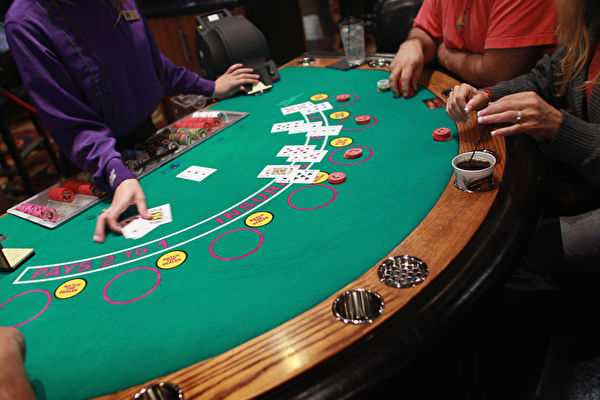
Today, the gambling industry is undergoing a digital revolution, driven by advances in technology and a growing acceptance of online betting. The emergence of mobile gaming apps and live dealer experiences has transformed how individuals engage with gambling, allowing for instant access and enhanced interactivity.
Websites dedicated to online gambling continue to rise in popularity, offering players a wide array of options from traditional games to innovative betting formats. As the industry evolves, it remains crucial for users to stay informed about the latest trends and practices in order to enjoy a secure and enjoyable gambling experience.
